GRANTEE
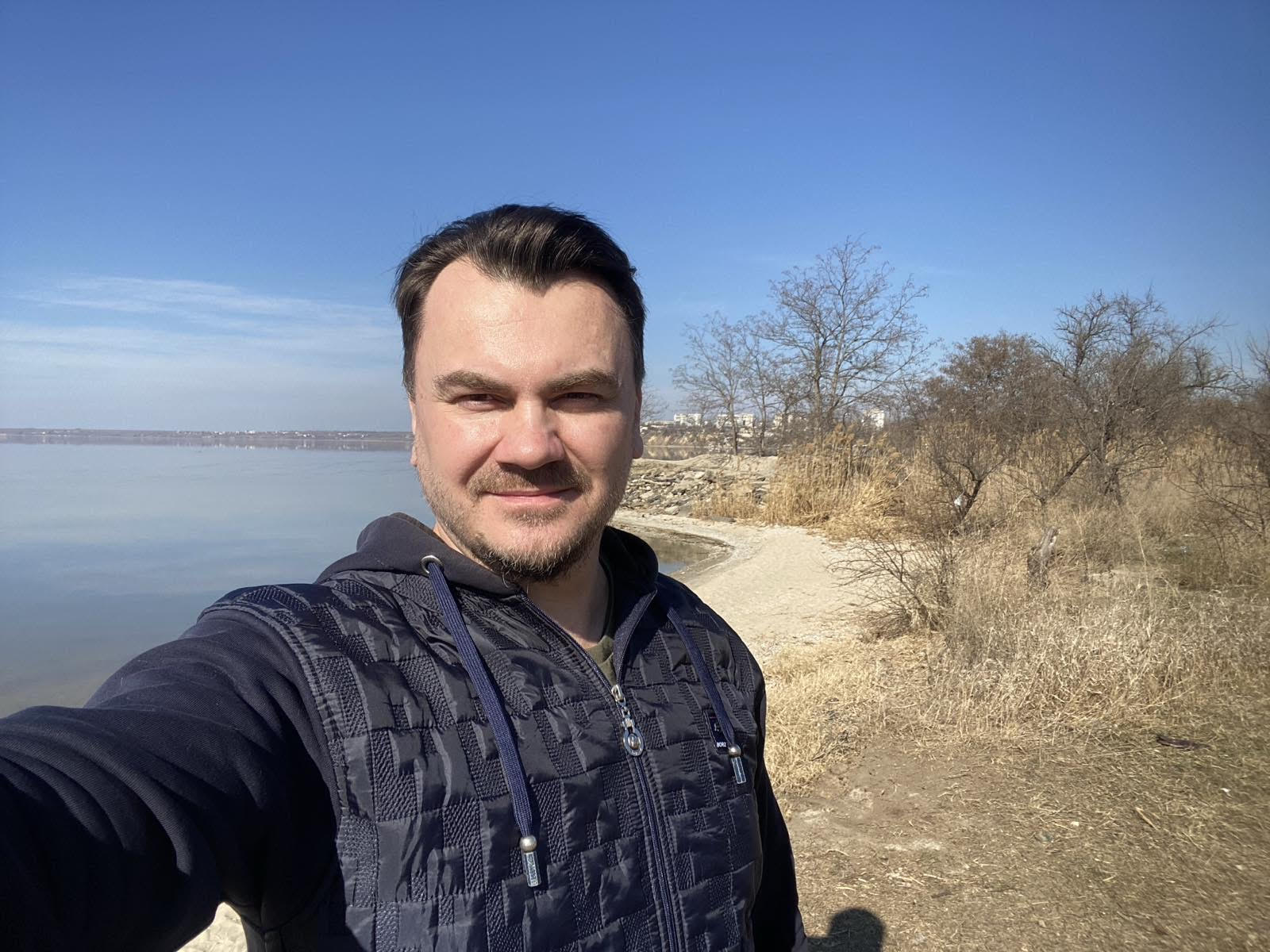

The war, mined fields, the drained Kakhovka Reservoir, destroyed irrigation, adverse effects of climate change, water shortages and droughts, the destroyed hard work of farmers, and poor yields—these are the conditions under which farmers work and survive in the frontline zone on the right bank of the Lower Dnipro in southern Ukraine. On the brink of life and death, farmers are trying to maintain the traditions of the agricultural region. The project plans to chronologically collect information and conduct comprehensive scientific research on the consequences of Russian war crimes against the rural population in the frontline zone in the context of the environmental impact of the destruction of the Kakhovka Reservoir . The results obtained will serve as evidence of Russian armed aggression against the civilian population, the horrific living conditions, and the livelihoods of local farmers. They will also be an important basis for the development of post-war recovery programs for the affected areas.
The destruction of the Kakhovka Dam by the Russian aggressor on 6 June 2023 became a national catastrophe. More than 6 million people lost access to water supplies. Damages are estimated at $18 trillion. Therefore, the scale of damage caused by the destruction of the dam and reservoir drainage should be researched both from an ecological and a socio-economic perspective. The project aims to conduct a large-scale study of the consequences of the Kakhovka Dam destruction for the population of the Southern regions of Ukraine and substantiation of three ways of postwar functioning of the reservoir: reconstruction of the dam and replenishment of the reservoir; creation of a natural ecosystem and restoration of the Great Meadow; creation of a partially natural ecosystem with a partial replenishment of the reservoir. The topic’s relevance is driven by the need to investigate the suitability of living conditions in territories affected by ecocide.