GRANTEE
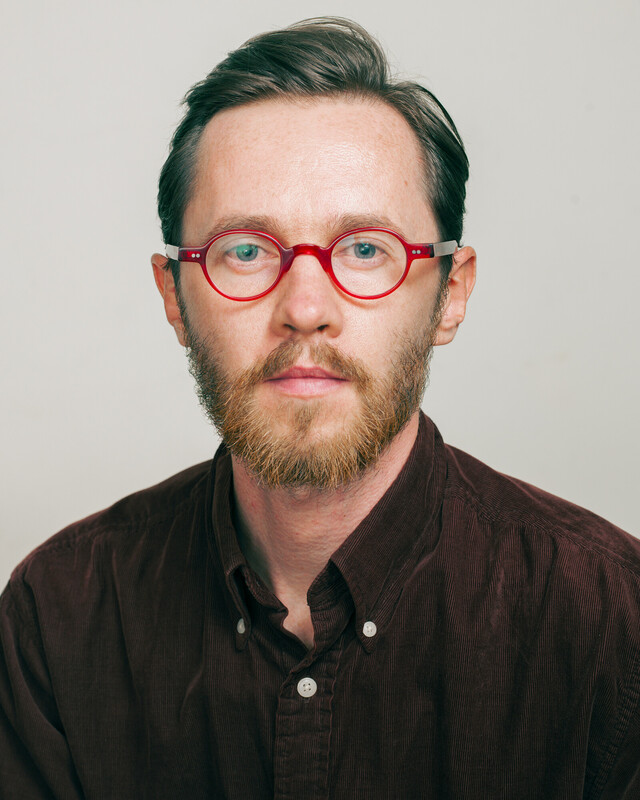
Viktor Bakin began his project Hell Was Full in 2024. His aim is to create a diverse yet coherent portrait series, a sincere and heartfelt collective portrait of the defenders of Ukraine. Bakin visits them wherever they are, whether at home, in a short-term rental, or beside a pickup truck still hot from the eastern roads. Most of the time, they have just returned from rotation for a day or two. He also photographs them in hospitals as they recuperate. Sometimes he has only 15 minutes to make a portrait; at other times he can sit and talk for hours before taking any pictures. While there is an understandable tendency to portray soldiers through images of bravado, weaponry, tanks, and drones, Bakin is interested in a more intimate approach. He is drawn to simple portraiture and keeps military paraphernalia out of the frame. These quiet portraits—made in quiet places—create space for reflection and deepen the sense of the hell awaiting these soldiers on the frontlines.
The Epitome series started in 2020 as an exploration of coming of age, fragility and masculinity through the poetic nature of photography. But recently my focus shifted to the themes of war in Ukraine. The big part of the project is based on documentary work. In the midst of working on the series, in spring/summer of 2022, interrupted by the war, I started to work on my new series Broken Trees, which tells the story of people and places after the withdrawal of Russian troops. My journey through the recently occupied Kyiv region began with the intention to see for myself these once light-hearted places, now wounded and destroyed. I was meeting people that lived under occupation. It has been a really heartbreaking experience to hear the stories from people directly.
To keep my mental balance, I work in the darkroom. To make the prints I equip my tiny bathroom (probably the safest place in my apartment) as a makeshift darkroom. During the long air-raid sirens I print the pictures I took recently as well as pictures from years ago. Red safelight is the only light I see for hours. Once I ran out of paper fixer; I used it again and again till it was exhausted. A few days later I found the prints covered with bruises. Annoyed at first, later I began to embrace the accidents. It became a visual allegory of our time—of a land stained with blood.
From a very precious personal diary at the beginning, Epitome gradually also became an exploration of the notions of belonging to a place in the wake of displacement and chaos. It seems to me this tight womb-like bathroom became my place of escapism from the wartime reality too. Could I make something nowadays that does not refer to war? I doubt it. The war affected everyone. When I was out there shooting I was asking myself: Is there a meaning, a justification in approaching the world the way I do in Epitome? And time and time again I kept receiving the same answer: Absolutely, yes. This is my personal urge to describe what I feel. I call my approach a post-documentary. Being overwhelmed by the constant violence the war brings, seeing it in every image on the news feed, I am very aware of my visual approach to the work. It’s slow and contemplative. Through reflection, I try to look for a meaning, make sense of it all. The story should be seen and felt in any way possible.