GRANTEE
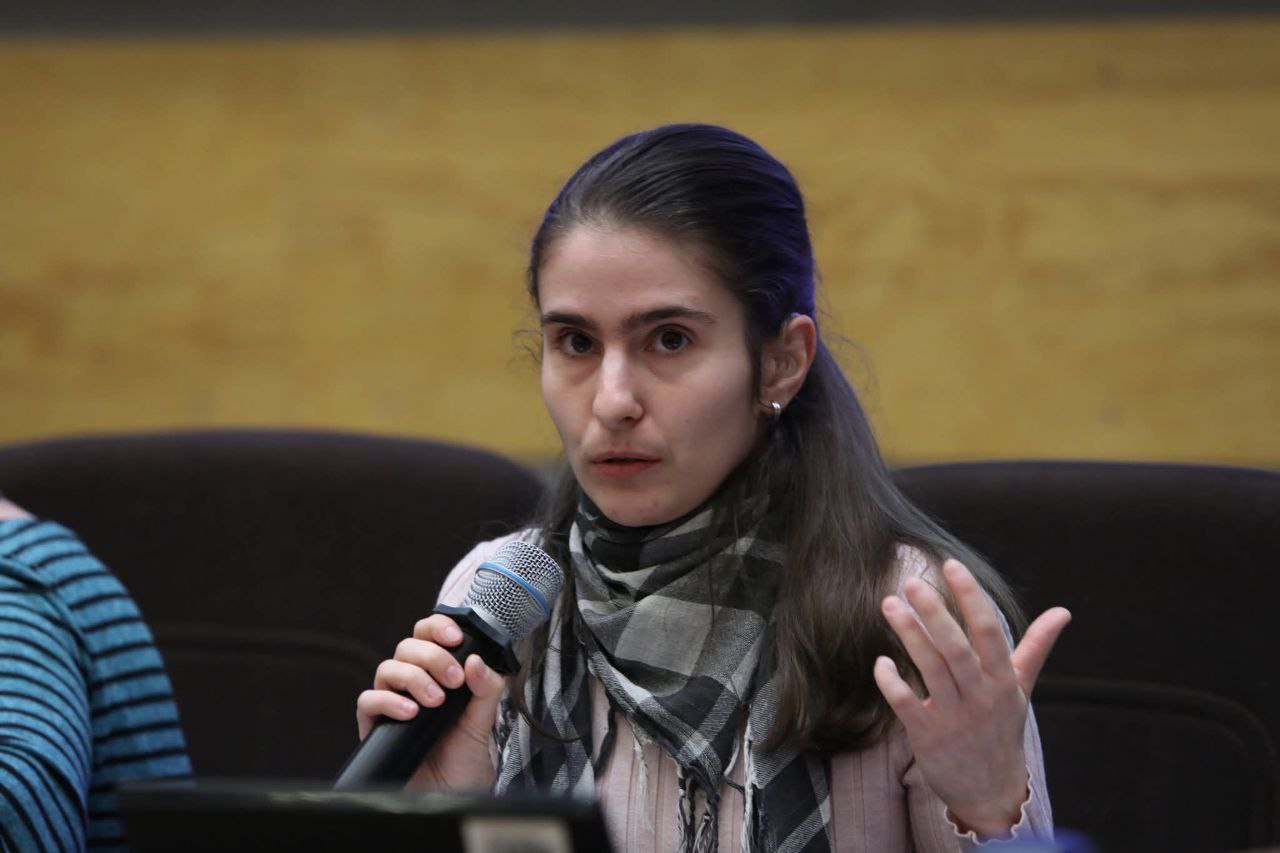

This project builds on the 2024 initiative Decolonization of Physics in Ukraine, which explored the Kharkiv Institute of Physics and Technology (KIPT) through 22 interviews and archival work. In its second phase, the project expands both thematically and methodologically. It focuses on Piatykhatky in the Dnipro region as a distinct science city or naukograd, examining its urban identity and wartime experience. The aim is to collect 15–20 new interviews with scientists’ families and residents, highlighting care, displacement, and survival during the invasion. The project combines oral history, urban anthropology, and the anthropology of science, creating a publicly accessible digital archive and fostering community engagement through exhibitions and talks.
The project aims at recording and analyzing interviews with the staff of the National Science Center Kharkiv Institute of Physics and Technology which was one of the centers for physical research in the Soviet Union and is also well known worldwide. Creating an interview archive will provide a database for further research of the history of science in Ukraine, popularizing physics and becoming a resource for museum exhibitions. The research includes issues related to the scientific network and changes during the full-scale invasion, work processes in the physics laboratories, as well as individual practices of adjusting to wartime. The methodological framework consists of oral history, postcolonial discourse, and science anthropology.