

The IWM will be closed over the Christmas period from 24 December and reopen its doors on 7 January 2026. To keep you inspired over the holidays, we have curated a selection of 12 books from our library to accompany your reading. We wish you a restful festive season and a happy New Year!
1. Lesia Ukraїnka: Am Meer Am Meer ist der zweite Band der neuen, von IWM Visiting Fellow Tanja Maljartschuk herausgegebenen Reihe Ukrainische Bibliothek, in der die berühmtesten Klassiker des ukrainischen literarischen Erbes des 19. und 20. Jahrhunderts vorgestellt werden. Das Buch widmet sich der Schriftstellerin, Dramatikerin und feministischen Ikone Lesia Ukraїnka (1871–1913) und enthält eine repräsentative Auswahl aus ihrem Prosawerk, das die europäischen Strömungen des Fin de Siècle spiegelt und zentrale Diskurse der Zeit wie überkommene Rollenbilder, die Frage nach der Grenze zwischen Vernunft und Wahnsinn, Orientalismus sowie die Nietzsche-Rezeption aufgreift. |
2. Tim Judah: Life and Fate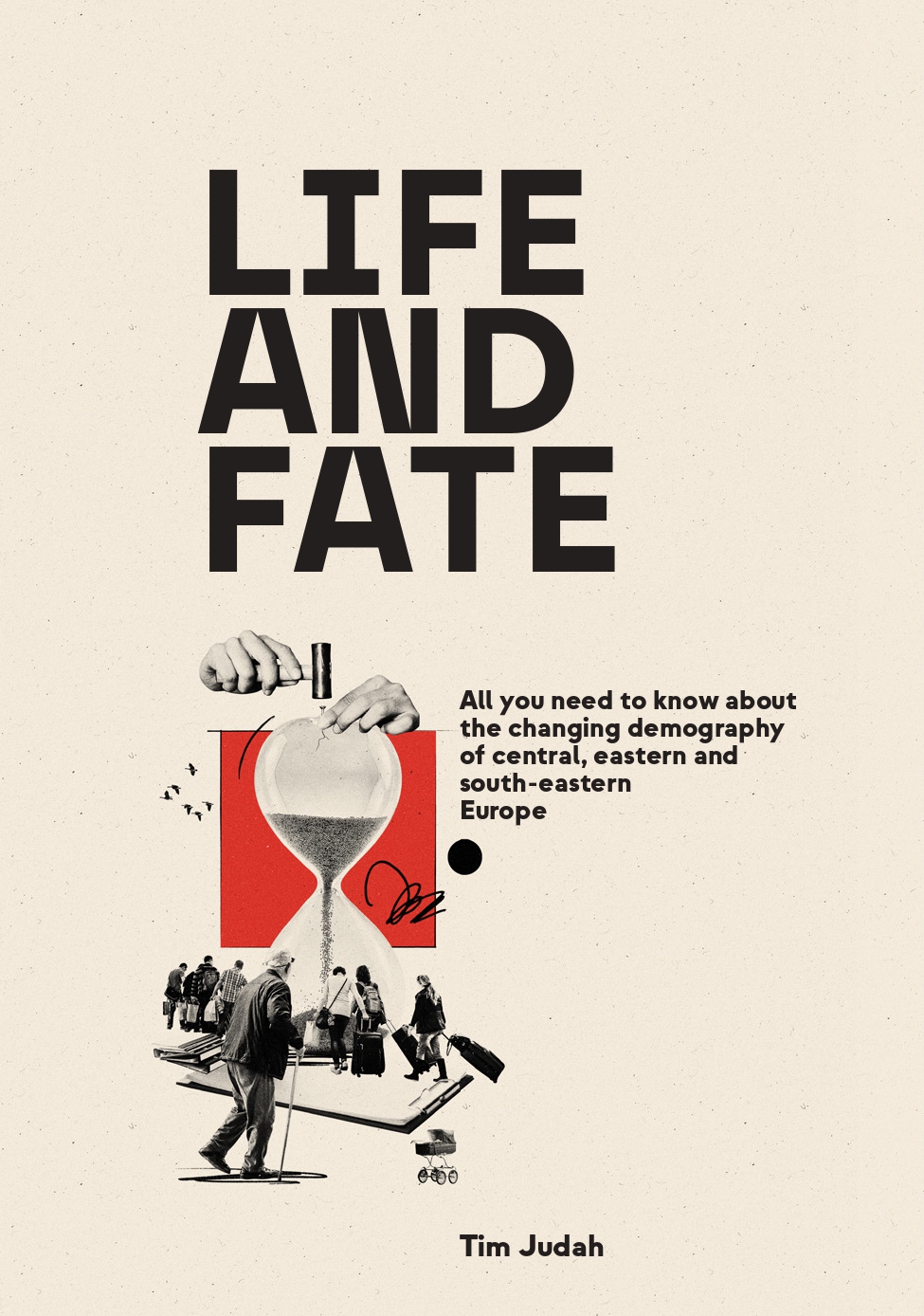 Conceptualized during his Europe's Futures fellowship in 2018/2019, 2025 finally saw the publication of Tim Judah's exploration of demography, depopulation, emigration, and immigration in central, eastern, and south-eastern Europe. Seventeen chapters, which can be read independently of one another, provide snapshots of the demographic situation in 17 countries in an accessible language. The text is supplemented by the latest figures and data as well as appealing illustrations. |
3. Martin Pollack: Zeiten der Scham Martin Pollacks Buch „Zeiten der Scham“ versammelt Essays und Reportagen eines leidenschaftlichen Kämpfers für Demokratie und eine offene Gesellschaft. Der Band bietet eine sorgfältige Auswahl von Texten aus den letzten Jahren – packende Reportagen aus osteuropäischen Ländern wie der Ukraine, Belarus oder der Republik Moldau, aber auch Aufrufe zum Widerstand und bewegende Reden gegen das Vergessen des Holocaust. Immer wieder setzt sich Pollack im Buch auch mit der schwierigen Geschichte seiner eigenen Familie auseinander. Und in seinen letzten, bereits von Krankheit gezeichneten Jahren hat er sehr persönliche Beobachtungen aus seinem geliebten burgenländischen Garten, Geschichten von Apfelbäumen, Jahreszeiten und allerlei Getier verfasst, die hier erstmals publiziert werden. Im Jahr 2024 hielt Pollack die Krzysztof Michalski Memorial Lecture am IWM. |
4. Victoria Amelina: Looking at Women Looking at War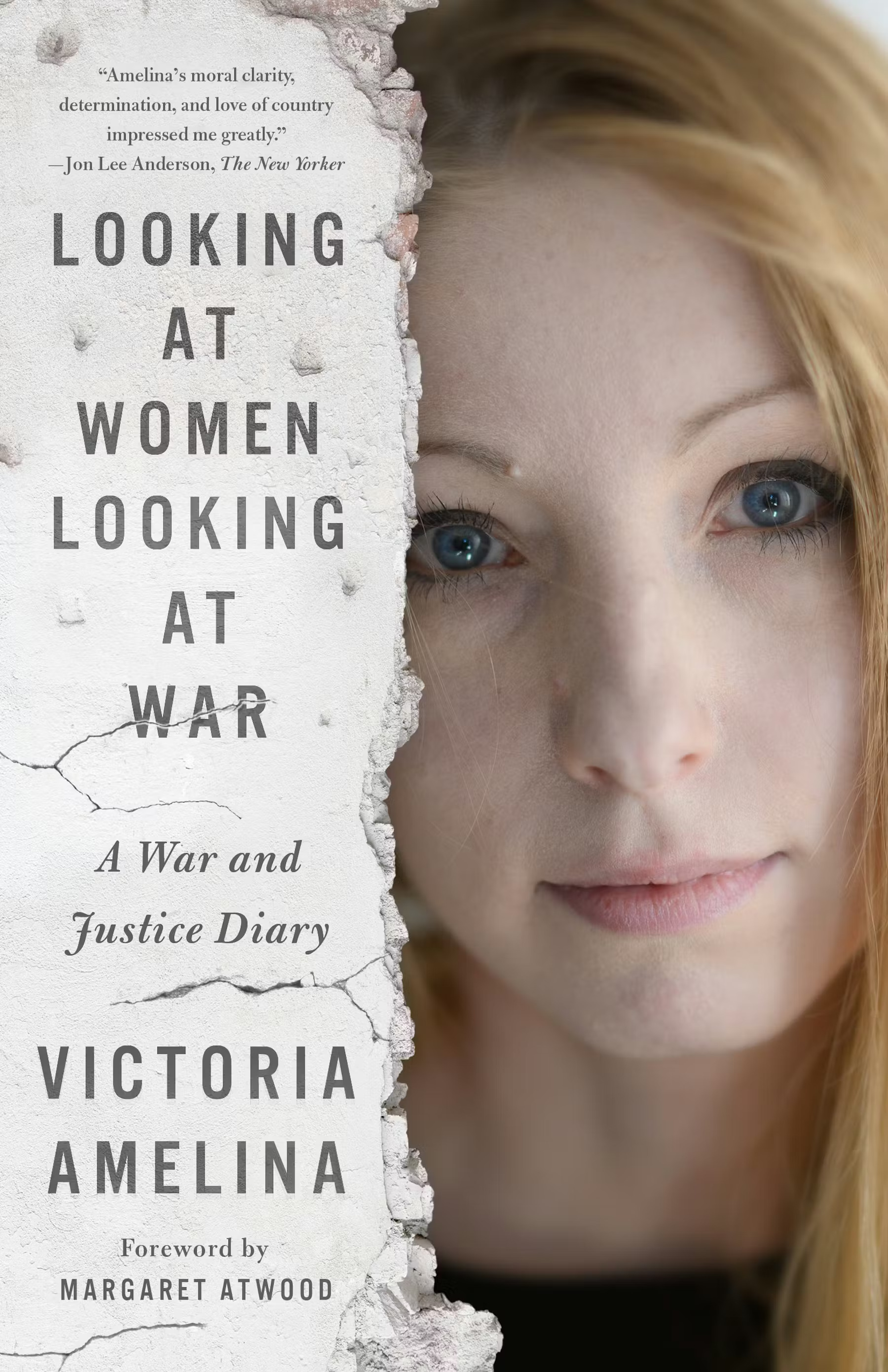 When Russia invaded Ukraine on February 24, 2022, Victoria Amelina was busy writing a novel, taking part in the country’s literary scene, and parenting her son. Now she became someone new: a war crimes researcher and the chronicler of extraordinary women like herself who joined the resistance. These heroines include Evgenia, a prominent lawyer turned soldier, Oleksandra, who documented tens of thousands of war crimes and won a Nobel Peace Prize in 2022, and Yulia, a librarian who helped uncover the abduction and murder of a children’s book author. Everyone in Ukraine knew that Amelina was documenting the war. She photographed the ruins of schools and cultural centers; she recorded the testimonies of survivors and eyewitnesses to atrocities. And she slowly turned back into a storyteller, writing what would become this book. On the evening of June 27th, 2023, Amelina and three international writers stopped for dinner in the embattled Donetsk region. When a Russian cruise missile hit the restaurant, Amelina suffered grievous head injuries, and lost consciousness. She died on July 1st, aged thirty-seven. She left behind an incredible account of the ravages of war and the cost of resistance. In 2025, Amelina was posthumously awarded the prestigious Orwell Prize for the book. |
5. Thomas Haigh: Jenseits der Genies. Geschichten aus der IT-Arbeit.jpeg) Wenn die Geschichte des Computers erzählt wird, geht es oft um große Vorbilder. Einige Männer – zunehmend auch Frauen – werden als geniale Pioniere des digitalen Zeitalters stilisiert. Mit diesem kleinen Band hinterfragt der Historiker und IWM Digital Humanism Fellow Thomas Haigh die Superhelden-Geschichten, die Büchern wie Walter Isaacsons »The Innovators« zugrunde liegen. Was er dem gegenüberstellt, sind vier tiefenscharfe Beobachtungen zur Computerarbeit der 1970er bis 1990er Jahre. Haigh liefert eine alternative Perspektive von Leben und Karrieren in der IT-Welt. Die digitale Revolution, so sein Argument, vollzog sich Schritt für Schritt, getragen vom Zusammenspiel vieler ganz gewöhnlicher Menschen. |
6. Mischa Gabowitsch and Mykola Homanyuk: Monuments and Territory. War Memorials in Russian-Occupied Ukraine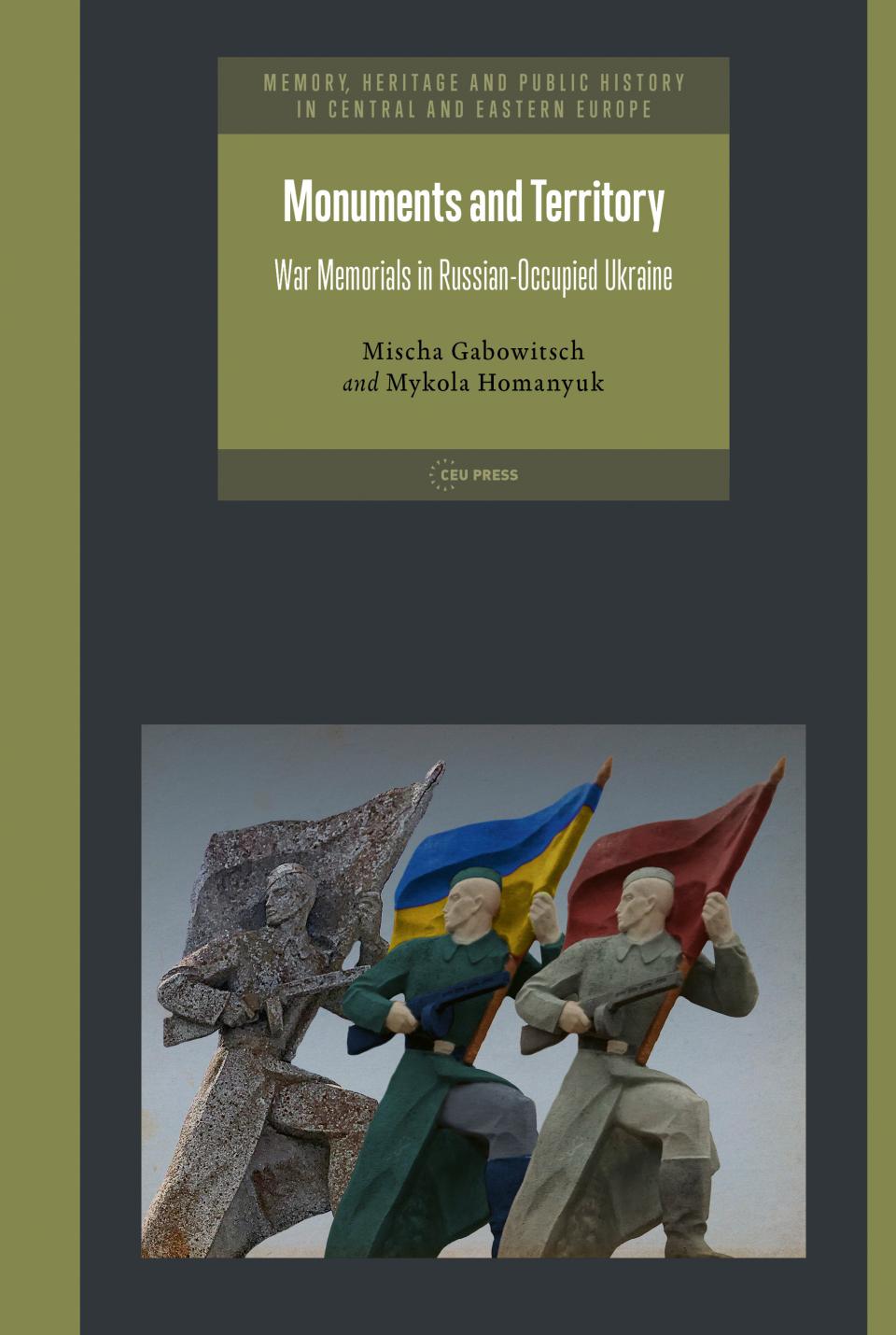 As Mischa Gabowitsch and Mykola Homanyuk show, the Russian invaders have made exceptional efforts to interact with the war memorial landscape of the newly occupied territories from the very first days of their large-scale attack on Ukraine in February 2022. This landscape consists of tens of thousands of monuments, mostly in small towns and villages, commemorating the Second World War and other conflicts, including Ukraine’s resistance against Russia since 2014. The Russians have destroyed some of these memorials, renovated others, and built new monuments amid continued fighting. They also used war memorials in countless propaganda photos and videos aimed at a domestic audience,and largely escaping Western attention. |
7. Paweł Pieniążek: Wojna w moim domu. Kiedy konflikt staje się codziennością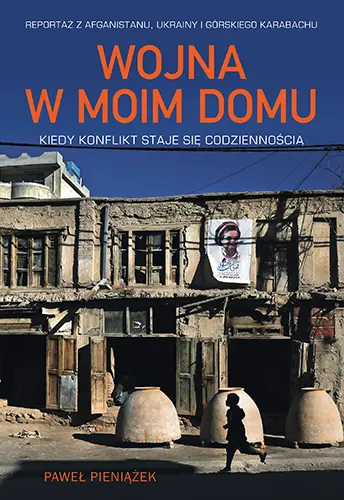 „Gdy wojna raz przyjdzie do twojego domu, już nie chce z niego wyjść. Jest jak uciążliwy pasożyt, którego nie da się pozbyć. Zazwyczaj, gdy cichną działa i stygną lufy karabinów, nie zostawia nic z dawnego życia. Wojny trwają długo, ludzie uczą się z nimi żyć, mają złudną nadzieję, że momenty ciszy oznaczają lepsze jutro. Ono jednak nie nadchodzi, chwila spokoju to najczęściej tylko zapowiedź, że ich świat znowu się wywróci”. Paweł Pieniążek, doświadczony reporter, dziennikarz i korespondent wojenny. Zjeździł Ukrainę, Afganistan, Górski Karabach. Przez kilka lat śledził losy jedenaściorga bohaterów złapanych w pułapkę konfliktu, który nie chce się zakończyć. Opowiedziana przez Pieniążka historia pokazuje przerażającą codzienność wojny widzianej oczami zwyczajnych ludzi. |
8. Hannes Werthner: Digitaler Humanismus. Über Digitalisierung und Künstliche Intelligenz Die Informationstechnologie verändert uns, unsere Gesellschaft, unsere Welt, von der individuellen Ebene bis hin zu geopolitischen Machtspielen. Sie beeinflusst auch, wie wir die Welt sehen und über sie denken. Dieser Wandel geschah in einer für die Geschichte der Menschheit extrem kurzen Zeitspanne und mit sehr hoher Geschwindigkeit. Hannes Werthner thematisiert die fortschreitende Digitalisierung (inklusive Künstlicher Intelligenz), beschreibt die enormen Möglichkeiten, die sich daraus ergeben, und analysiert auch deren gravierende Mängel. Sein Konzept des Digitalen Humanismus versteht sich als Antwort auf diese Situation und will – neben der Analyse der Wechselwirkung von Mensch und Maschine – durch aktive Einflussnahme digitale Technologien gestalten und regeln, sodass sie zum Wohl von Mensch und Natur eingesetzt werden. |
9. Olena Iliasova: Odesa. Museum Diary of War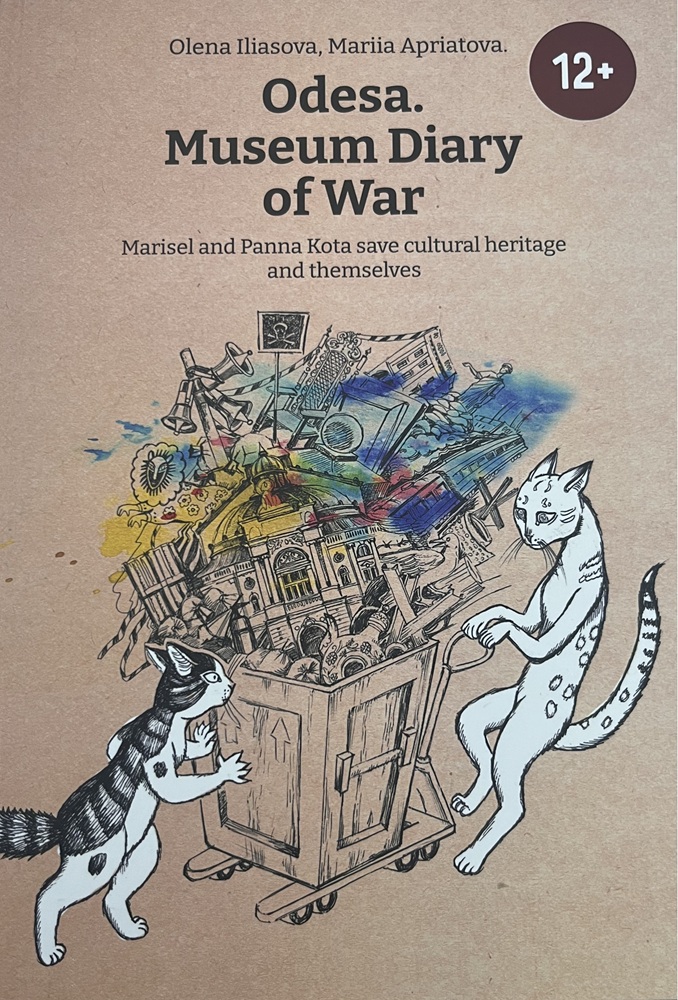 Written by Documenting Ukraine grantee Olena Iliasova and illustrated by Maria Apriatova, this graphic novel tells the story of Marisel and Panna Kota, ordinary cats that lived a carefree and peaceful life in the unusual Odesa Museum, better known in Ukraine as the Bleshchunov House. 24 February 2022 is the day that forever changed the lives of both people and animals in Ukraine. The museum cats decided to tell a story about the cultural heritage of Ukraine, which is in danger, about real people and real animals. It is no coincidence that the writers chose two museum cats as the main characters. First, these animals actually exist, and the museum staff have cared for them for many years. Secondly, Odesa is known as a city where cats enjoy truly royal treatment and where they are loved and cared for. With the optimism inherent in Odesans, the comic book tells the story of the rescue of the museum collection and its partially restored activities amid a full-scale war, and also the lives of Odesans during the extraordinarily trying times. |
10. Hjørdis Clemmensen, Viktoriia Grivina, and Vasylysa Shchogoleva: Kharkiv is a Dream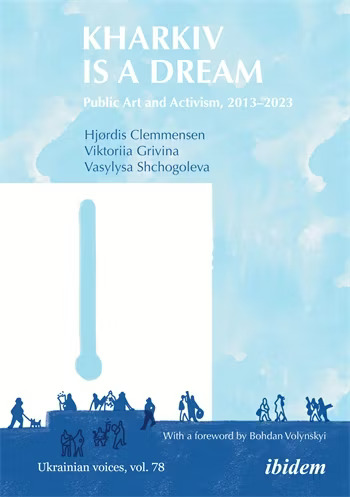 When the war hit Kharkiv in 2022, the urban space transformed at a scale impossible for its inhabitants and artistic community to process. As it turns out, the urban space of Kharkiv was difficult to process long before the impact of drones and missiles. Kharkiv has been transforming for centuries, collecting monuments and memories from the ebbs and flows of history. The authors zoom in on three events over the past decade that reflect how different actors used the cityscape of Kharkiv to make sense of and shape their context, among them architect, visual artist, and Documenting Ukraine grantee Vasylysa Shchogoleva, who explores the urban space of Kharkiv in 2023 as a place of healing and compassion. |
11. Maria Todorova: Der Balkan: Mission Possible Mit ihrem Buch zieht Maria Todorova nach jahrzehntelanger intensiver Beschäftigung mit dem Balkan Bilanz. Das Buch, das als Begleitband zu ihrem maßgebenden Werk Die Erfindung des Balkans gelesen werden kann, besteht aus drei Teilen, deren Titel von der Actionfilmreihe Mission Impossible inspiriert sind. Der erste Teil zeichnet die Anfänge und den Niedergang des Balkans sowie den Fallout dieser Entwicklung nach. Todorova versteht den Balkan als vergängliches Gebilde und spürt seiner wechselhaften Geschichte nach. Der zweite Teil beschreibt die verschiedenen Ansätze zur Erfassung dieses sich bewegenden Objekts (Dead Reckoning) und konzentriert sich insbesondere auf die Frage der Tauglichkeit von Post- und Dekolonialität als jüngste Ergänzungen der Balkan-Epistemologie. Im dritten Teil (Rogue Nation) wird ein drastischer Perspektivwechsel vollzogen. Durch Kurzbiografien relativ unbekannter Personen aus Bulgarien mit unterschiedlichem sozialem Hintergrund werden die Macht und die Fallstricke des „Framing“ aufgezeigt. |
12. Daria Tsymbalyuk: Ecocide in Ukraine. The Environmental Cost of Russia's War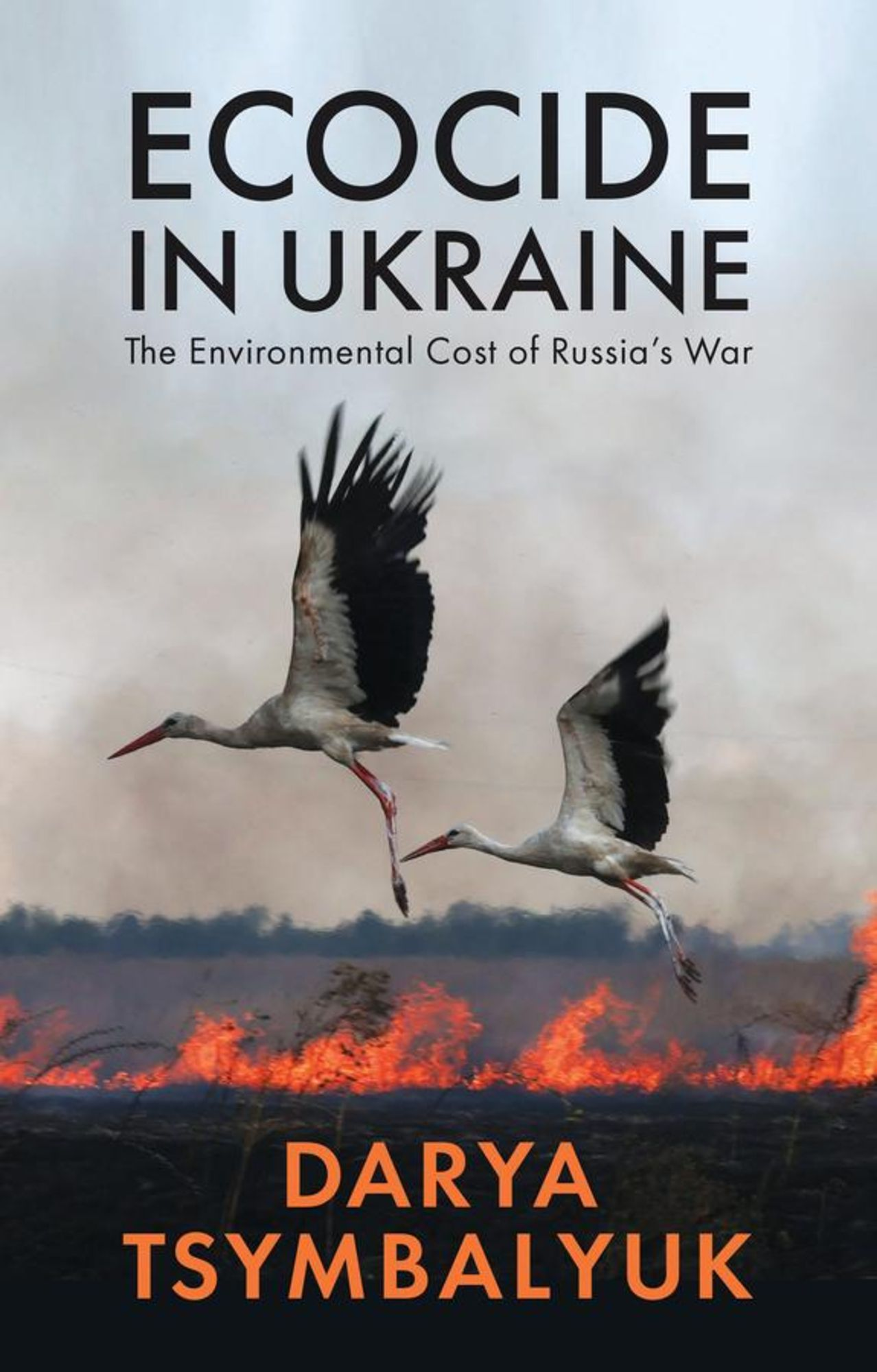 In this poignant book, IWM fellow Darya Tsymbalyuk offers an intimate portrait of her beloved homeland against the backdrop of Russia’s war and ecocide. In elegant and moving prose, she describes the damage to the country’s rivers, the grasslands of the steppes, animals, insects, and colonies of birds, as a result of Russia’s ground and air operations. Alongside the everyday experiences of people in Ukraine living with the environmental consequences of the war, we share Tsymbalyuk’s own reckoning with the changing nature of cherished places and the loss of familiar worlds caused by the ongoing Russian invasion. |


