
Current Fellows' research
-
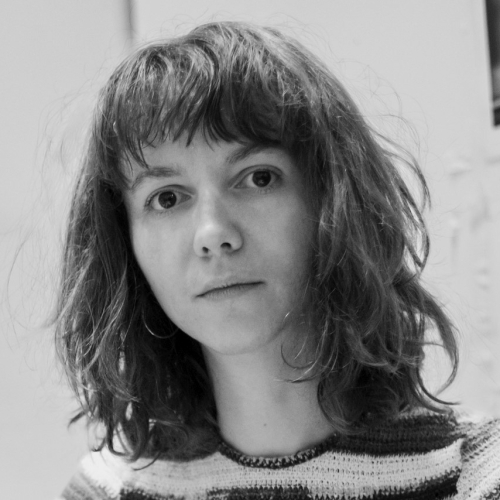
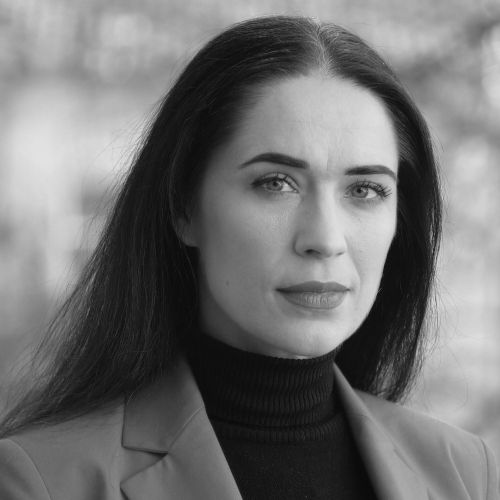
A Field from AfarIryna Zamuruieva’s writing and photography explore human-environmental relationships at different scales. During her fellowship at the IWM, she will build on strands of her research and creative work, where she considers the importance of particular plants.
-
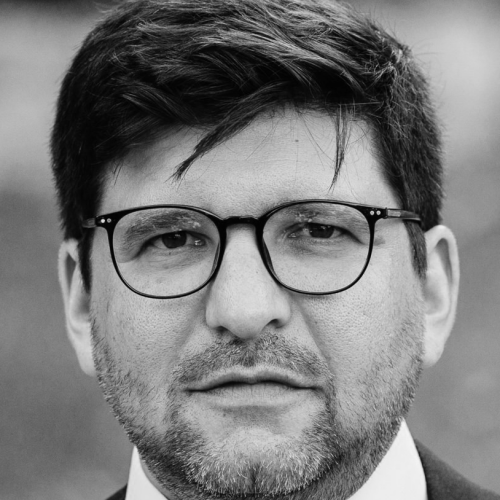
The Vienna Black Market, 1943–1948Defeat or liberation are usually understood as a rupture, but important continuities link Vienna’s collaborationist Nazi period to that of liberation and democracy.
-
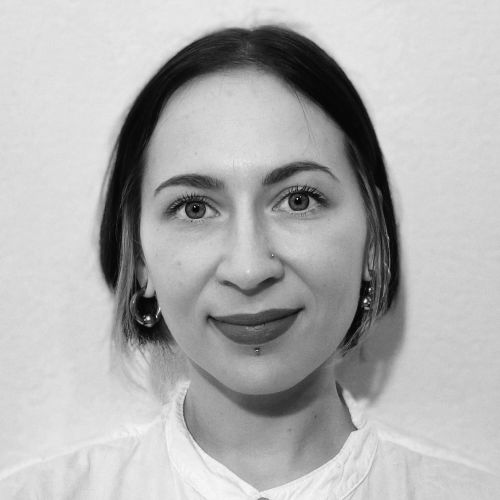
War Crowdfunding and the Digital Economy in UkraineDuring her fellowship at the IWM, Daria Chernousova will work with the PeaceRep-Ukraine project, a collaboration between the IWM and the London School of Economics.
-
Resistance and Dissidence: Epimeleia in Patočka and FoucaultIn Foucault’s lectures for the Collège de France (The Government of Self and Others; The Courage of Truth) and Patočka’s Plato and Europe, the theme of care of the self / care of the soul is surprisingly central.
-
The Political Spectrum of the Right, Authoritarianism and the Reaction to the Russo-Ukrainian WarIn the last decade, there has been an increase in right-wing and far-right political sentiments in many European countries, including Turkey. Some gravitate towards authoritarianism, some towards populism.
-
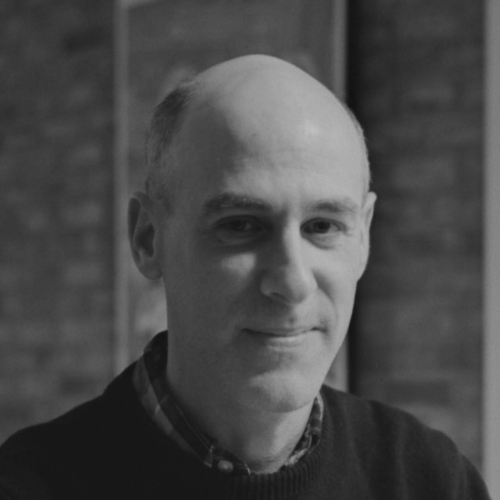
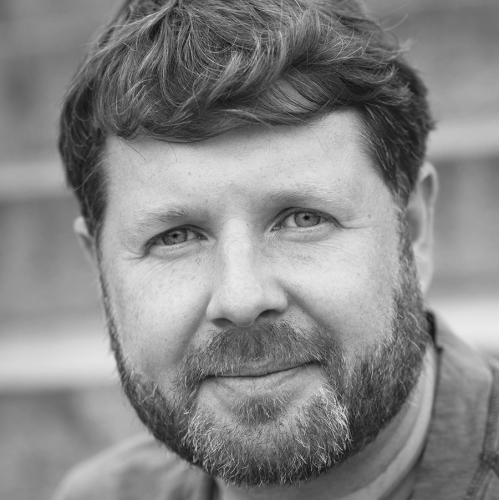
"(Post)Soviet Union” of National Form and (Post)Socialist Content (Culture, Nation, Class)Ilya Kalinin’s research interest concentrates on reconstructing the tension between the social/ideological and the national/imperial trends in modern post-Soviet culture, as well as in discovering its origin in the national politics of the Bolsheviks.
Jobs and Open Calls

Partner Calls
Here, we offer a list of fellowships and opportunities offered by partners and collaborators of the IWM, which may be of interest to current and past IWM fellows.

News
-
Debating Europe This Sunday: Biden or Trump? The US Elections and Their Impact on EuropeThe next edition of the Debating Europe series at the Burgtheater Vienna, a collaboration between the Burgtheater, ERSTE Foundation, the Institute for Human Sciences (IWM Vienna), and DER STANDARD,…
-
Omri Boehm Delivers Speech to Europe 2024The IWM is pleased to announce that the renowned philosopher and New School professor Omri Boehm will deliver this year's Speech to Europe under the title Shadows of History, Spectres of the Present: The Middle East War…
-
Announcing INDEX: Institute for Documentation and Exchange (Lviv)The IWM is launching a new institution based in Ukraine. INDEX: Institute for Documentation and Exchange will open its doors in Lviv later this year. It is intended to support Ukrainians as they document the Russo-…
Upcoming events
-
Panels and DiscussionsCET
-
Seminars and ColloquiaCET
-
Debating EuropePanels and DiscussionsCET
-
Seminars and ColloquiaCET
Upcoming events
-
Panels and DiscussionsCET
-
Seminars and ColloquiaCET
-
Debating EuropePanels and DiscussionsCET
-
Seminars and ColloquiaCET
News
-
Debating Europe This Sunday: Biden or Trump? The US Elections and Their Impact on EuropeThe next edition of the Debating Europe series at the Burgtheater Vienna, a collaboration between the Burgtheater, ERSTE Foundation, the Institute for Human Sciences (IWM Vienna), and DER STANDARD,…
-
Omri Boehm Delivers Speech to Europe 2024The IWM is pleased to announce that the renowned philosopher and New School professor Omri Boehm will deliver this year's Speech to Europe under the title Shadows of History, Spectres of the Present: The Middle East War…
-
Announcing INDEX: Institute for Documentation and Exchange (Lviv)The IWM is launching a new institution based in Ukraine. INDEX: Institute for Documentation and Exchange will open its doors in Lviv later this year. It is intended to support Ukrainians as they document the Russo-…
Current Fellows' research
-
A Field from AfarIryna Zamuruieva’s writing and photography explore human-environmental relationships at different scales. During her fellowship at the IWM, she will build on strands of her research and creative work, where she considers the importance of particular plants.
-
The Vienna Black Market, 1943–1948Defeat or liberation are usually understood as a rupture, but important continuities link Vienna’s collaborationist Nazi period to that of liberation and democracy.
-
War Crowdfunding and the Digital Economy in UkraineDuring her fellowship at the IWM, Daria Chernousova will work with the PeaceRep-Ukraine project, a collaboration between the IWM and the London School of Economics.
-
Resistance and Dissidence: Epimeleia in Patočka and FoucaultIn Foucault’s lectures for the Collège de France (The Government of Self and Others; The Courage of Truth) and Patočka’s Plato and Europe, the theme of care of the self / care of the soul is surprisingly central.
-
The Political Spectrum of the Right, Authoritarianism and the Reaction to the Russo-Ukrainian WarIn the last decade, there has been an increase in right-wing and far-right political sentiments in many European countries, including Turkey. Some gravitate towards authoritarianism, some towards populism.
-
"(Post)Soviet Union” of National Form and (Post)Socialist Content (Culture, Nation, Class)Ilya Kalinin’s research interest concentrates on reconstructing the tension between the social/ideological and the national/imperial trends in modern post-Soviet culture, as well as in discovering its origin in the national politics of the Bolsheviks.
Recent Media
The IWM is a community of scholars pursuing advanced research in the humanities and social sciences.
For four decades, the Institute has promoted intellectual exchange across disciplines, between academia and society, and among regions of the world. It hosts more than a hundred fellows each year, organizes public exchanges, and publishes books, articles, and digital fora.